
Restoring a Vintage Mobile Home: A Complete Guide
Thinking about restoring an older mobile home? Discover how to plan a vintage mobile home renovation, identify common structural concerns, modernize essential systems, and preserve the home's original character.
- ✓ Evaluate the home's condition
- ✓ Plan renovation costs
- ✓ Explore insurance options
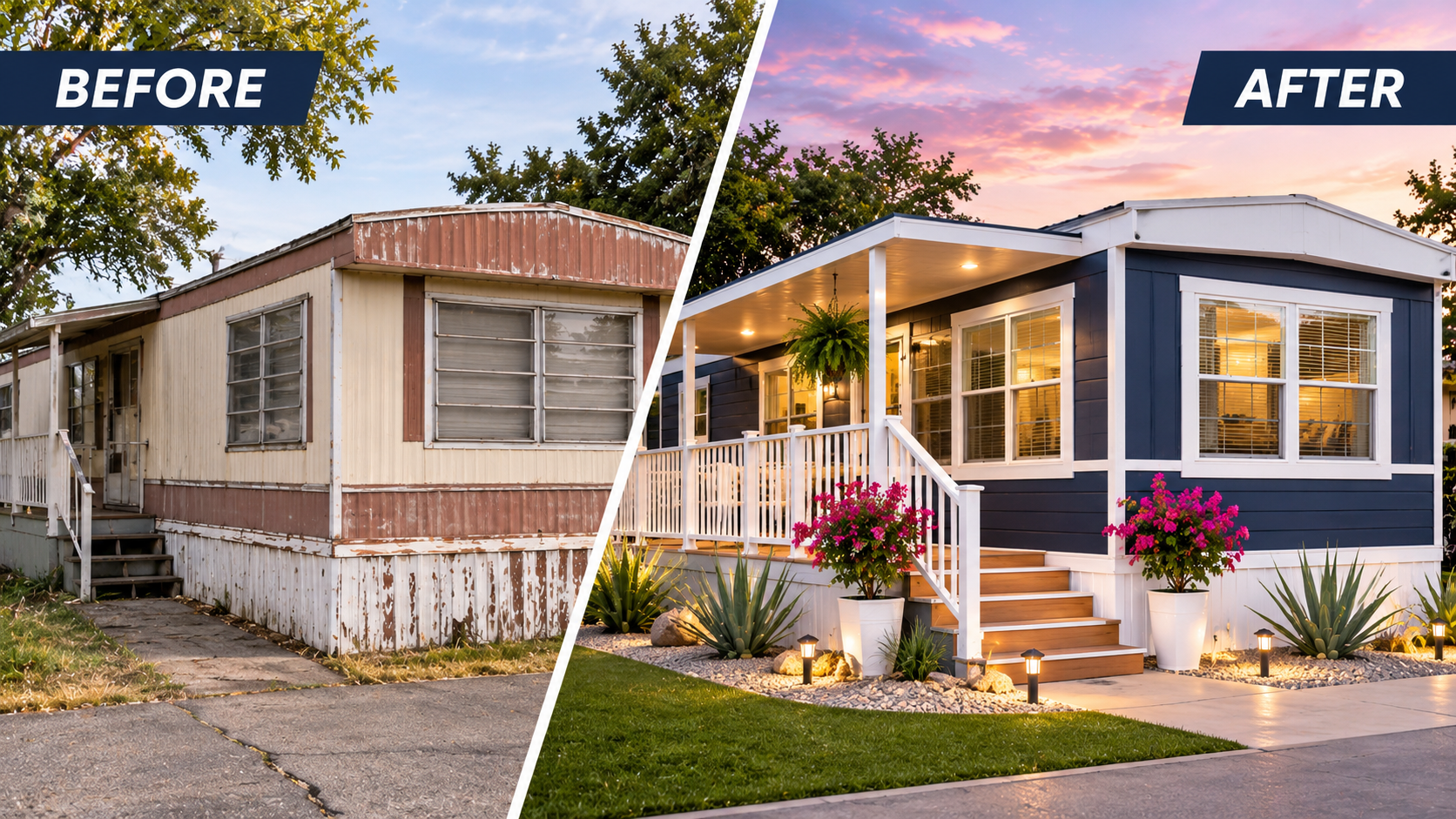
Vintage mobile home restoration: preserving character while improving appearance, functionality, and condition.
Is Restoring an Old Mobile Home Worth It?
Restoring a vintage mobile home may be worthwhile when the structure is sound, the property meets your needs, and renovation costs fit your budget. A thorough inspection should come before cosmetic improvements.
Inspect Structural Integrity
Have a qualified professional evaluate the floor system, frame, supports, roof, and signs of water intrusion or deterioration.
Identify the Home's Age
Homes built before June 15, 1976, predate federal HUD manufactured housing standards. Age can affect renovation requirements and insurance eligibility.
Review Permits and Rules
Check local permitting requirements, community rules, and applicable standards before changing structural, electrical, or plumbing systems.
Evaluate Existing Utilities
Inspect wiring, electrical panels, plumbing, heating, cooling, and ventilation for age-related concerns or unsafe conditions.
Check for Hazardous Materials
Older homes may contain asbestos-containing materials or lead-based paint. Arrange appropriate professional testing before disturbing suspected materials.
Build a Realistic Budget
Include labor, materials, permits, professional inspections, unexpected repairs, and a contingency for hidden damage.
6 Important Vintage Mobile Home Renovation Projects
Address safety, moisture, and essential systems first. Decorative updates are best planned after the home's underlying condition has been evaluated.
Roof Repair and Weatherproofing
Inspect roofing, flashing, seals, and drainage. Repair leaks and choose replacement materials appropriate for the home's structure and roof design.
Subfloor and Flooring Restoration
Investigate soft spots, moisture damage, and weakened subfloor materials before installing vinyl plank, laminate, or other finishes.
Electrical System Updates
Have a licensed electrician inspect wiring, panels, outlets, grounding, and protective devices. Electrical upgrades may require permits.
Plumbing and Bathroom Repairs
Inspect supply lines, drains, fixtures, and concealed leaks. Repair damaged materials and use qualified plumbing professionals where appropriate.
Kitchen and Interior Updates
Refresh cabinetry, countertops, lighting, and interior finishes while considering available space, structural capacity, and ventilation.
Exterior and Energy Improvements
Evaluate siding, windows, doors, insulation, and weather seals. Confirm that proposed changes are compatible with the home's construction.
How to Restore a Vintage Mobile Home Step by Step
A successful restoration starts with the home's safety and structural condition—not its appearance.
Document the Existing Condition
Photograph the interior and exterior, note visible defects, and gather available home identification and repair records.
Get Professional Evaluations
Prioritize structural, electrical, plumbing, roofing, and moisture concerns before selecting finishes.
Confirm the Scope and Permits
Identify required approvals, qualified contractors, and any restrictions on altering the home.
Complete Essential Repairs
Resolve safety hazards, active leaks, damaged systems, and structural problems before cosmetic work.
Finish and Document Improvements
Keep permits, invoices, photographs, inspection records, and contractor documentation for future reference.
How Much Does It Cost to Restore a Vintage Mobile Home?
Restoration costs vary widely depending on the home's age, condition, size, location, labor costs, and extent of repairs. A cosmetic refresh can have a very different budget from a major structural renovation.
| Project Area | Possible Work | Budget Considerations |
|---|---|---|
| Roof and Exterior | Leak repairs, roofing, siding, seals | Damage extent, material compatibility, labor, and structural requirements |
| Flooring and Subfloor | Subfloor replacement, moisture repair, new finishes | Hidden damage and required structural repairs |
| Electrical | Wiring, panel, fixtures, safety upgrades | Licensed labor, permits, inspections, and scope of replacement |
| Plumbing | Supply lines, drains, fixtures, leak repairs | Access to existing pipes and water-damaged materials |
| Kitchen and Bathroom | Cabinets, countertops, fixtures, finishes | Materials, layout changes, plumbing, and electrical work |
| Insulation and Windows | Insulation improvements, window or door replacement | Energy goals, compatibility, installation, and permitting |
| Unexpected Repairs | Concealed rot, pest damage, structural defects | Maintain a contingency based on inspection findings and project risk |
Obtain written estimates from qualified professionals before setting your budget. Costs cannot be reliably determined from the home's age or appearance alone.
Vintage Mobile Home Renovation Checklist
Use this checklist to organize your restoration. Select completed items to track your progress.
Can You Get Insurance for a Restored Vintage Mobile Home?
Insurance may be available for some older or restored mobile homes, but eligibility depends on the insurer, property condition, construction, location, and other underwriting requirements. Renovations do not guarantee approval.
Home Age and Construction
Pre-1976 mobile homes may have more limited insurance options because they predate the federal HUD manufactured housing standards.
Condition and Safety
Insurers may consider roof condition, electrical systems, plumbing, maintenance, and the overall safety of the property.
Renovation and Occupancy
Major construction, temporary vacancy, or an unoccupied home may affect policy eligibility or coverage. Notify your insurer before work begins.
Dwelling Protection
Eligible policies may help cover repair or replacement of the insured home after covered damage, subject to policy terms and limits.
Personal Property and Liability
Available policies may include coverage for eligible belongings and certain covered liability claims.
Updated Insured Value
Significant renovations may change coverage needs. Ask how improvements affect insured value, valuation provisions, and coverage limits.
Common Mistakes When Renovating an Older Mobile Home
Some restoration problems are caused by starting cosmetic improvements before addressing the home's underlying condition.
Ignoring Hidden Water Damage
Covering damaged subfloors or walls can leave moisture and structural problems unresolved.
Making Unapproved Structural Changes
Removing walls or adding heavy materials without professional evaluation may compromise the home.
Skipping Professional Electrical Work
Unsafe wiring or improper alterations can create serious fire and shock hazards.
Underestimating the Budget
Older properties may reveal concealed problems after demolition or repairs begin.
Forgetting Insurance Requirements
Major renovations or changes in occupancy may require an insurance review before construction.
Vintage Mobile Home Restoration FAQs
Answers to common questions about renovating and insuring older mobile homes.
Can you renovate an old mobile home?
Many older mobile homes can be renovated, depending on their structural condition, applicable codes, permitting requirements, and project feasibility. A professional inspection can help identify necessary repairs before work begins.
Is restoring a vintage mobile home worth the money?
It depends on the home's condition, restoration costs, location, land arrangements, and your long-term plans. Compare professional repair estimates with alternative housing options before making a decision.
How much does it cost to remodel an older mobile home?
Costs vary significantly with the home's size, condition, materials, labor, and extent of repairs. A cosmetic update may cost substantially less than replacing damaged structural, electrical, or plumbing systems.
Can you replace the walls in a vintage mobile home?
Some interior finishes and wall materials may be replaceable, but wall modifications should be evaluated for structural, electrical, and code implications. Do not remove or alter potentially load-bearing components without qualified guidance.
Can you replace the roof on an old mobile home?
Roof repairs or replacement may be possible. The appropriate method depends on the home's structure, existing roofing, load capacity, and applicable requirements.
Can a mobile home built before 1976 be insured?
Some pre-1976 mobile homes may qualify for insurance, but options can be limited. Eligibility depends on the insurer, condition, construction, location, and other underwriting factors.
Will renovations lower my mobile home insurance premium?
Not necessarily. Certain improvements may affect eligibility or pricing, but discounts or lower premiums are not guaranteed. Renovations can also change the home's insured value.
Does mobile home insurance cover damage during renovations?
Coverage during renovations varies by policy. Construction-related losses, contractor work, vacancy, and major alterations may be subject to exclusions or special requirements. Contact your insurer before beginning substantial work.
How do I get insurance for a restored mobile home?
Provide details about the home's age, location, construction, current condition, completed improvements, and intended occupancy. You can request a mobile home insurance quote or call 1-800-771-7758.
More Mobile Home Ownership and Insurance Guides
Types of Mobile Homes
Compare manufactured, modular, single-wide, double-wide, and older mobile homes.
Pros and Cons of Buying a Mobile Home
Learn about ownership costs, financing, maintenance, and resale considerations.
Affordable Mobile Home Insurance
Understand factors affecting insurance costs and ways to compare available coverage.
Renovating an Older Mobile Home? Review Your Insurance Options.
Whether you're restoring a vintage mobile home or purchasing an older manufactured home, understanding insurance eligibility and coverage is an important part of planning your project.
This guide is for general educational purposes only. Renovation requirements, permits, construction standards, insurance eligibility, and coverage vary by property, jurisdiction, and insurer. Consult qualified professionals for structural, electrical, plumbing, and hazardous-material work. Insurance is subject to policy terms, conditions, exclusions, and underwriting approval.
